

Executive summary
Beat planning is the operating layer of route-to-market strategy: it decides which outlets are visited, how often, in what sequence, and at what cost to serve. This guide sets out a five-step method — census the outlet universe, classify outlets by potential, cluster geographically, fix a published journey plan, and review on productive calls rather than visits — drawn from covering 37 market beats and 400+ outlets in Bhubaneswar for ITC Limited.
Key takeaways
- Coverage gaps, not brand preference, explain most growth shortfalls in general trade.
- Classify outlets A/B/C by throughput potential before assigning call frequency.
- Travel time above 25% of the working day is a design failure, not an effort problem.
- A beat is a promise: predictability converts coverage into ordering discipline.
- Judge a beat on productive calls and throughput per outlet, not on visits logged.
Key highlights
- — 37 market beats and 400+ outlets surveyed as the evidence base
- — Roughly one in five outlets had never been formally billed
- — Resequencing alone freed 4–6 additional productive calls per day
Map the universe before you map the route
Every beat plan starts with an outlet census, not a spreadsheet. Walk the territory, geo-tag each outlet, and record channel type (grocer, kirana, variety, chemist, HORECA), size band, category presence and competitor visibility.
While surveying 400+ outlets across Bhubaneswar I found roughly one in five stores had never been formally billed — invisible demand hiding inside an existing territory. No amount of advertising fixes an outlet that nobody visits.
- Geo-tag every outlet, including the ones you do not currently serve.
- Record channel type, size band, category presence and competitor facings.
- Log the reason for non-participation — margin, credit, service or awareness.
Classify outlets before you assign frequency
Grade outlets A/B/C by throughput and category potential, not by how friendly the owner is. A-class stores earn weekly or twice-weekly calls, B-class fortnightly, C-class monthly.
Frequency is a cost decision. Every extra call must be paid for by incremental throughput, and the arithmetic should be written down before the route is drawn.
Cluster geographically, then sequence
Group outlets into tight geographic clusters so travel time falls below 25% of the working day, then sequence calls in a loop rather than a zig-zag.
Across 37 market beats, resequencing alone freed enough time for four to six additional productive calls a day without adding a single person to the team.
Fix the calendar — a beat is a promise
Assign each cluster a fixed weekday and publish the Permanent Journey Plan. Predictability is what converts coverage into ordering discipline: the retailer starts holding stock decisions for the day you arrive.
Erratic servicing teaches the retailer to buy from whoever walked in last. Reliability is a commercial asset.
Choose the route-to-market model that fits the density
Direct distributor coverage works where outlet density and drop size justify the cost to serve. Sub-stockist or wholesale-led models make sense in dispersed rural and semi-urban markets where direct servicing loses money per call.
Most real networks are hybrids. The mistake is applying one model uniformly and then blaming execution for the resulting economics.
- Direct: high density, high drop size, brand control needed.
- Sub-stockist: medium density, moderate drop size, cost pressure.
- Wholesale-led: dispersed markets, small drop sizes, low service expectation.
Measure productive calls, not visits
The four numbers that describe beat health are numeric distribution, productive-call percentage, lines per bill and throughput per outlet. Visits logged is an activity metric that flatters everyone and explains nothing.
Review weekly at beat level, and treat any beat with falling lines per bill as a range or service problem before treating it as a salesperson problem.
Important definitions
- Beat plan
- A fixed day-wise route a salesperson follows to visit a defined cluster of outlets at a predictable frequency.
- Route to market (RTM)
- The end-to-end design of how a product reaches the shopper: channel mix, distributor structure, coverage model, service frequency and commercial terms.
- Permanent Journey Plan (PJP)
- The published weekly calendar assigning each beat to a fixed weekday.
- Productive call
- A store visit that ends in a billed order.
My perspective
The strongest lesson from the field was how little of the growth gap was about the brand. Retailers rarely refused a well-known FMCG brand on preference; they refused on margin clarity, credit terms and the reliability of servicing. Distribution is where marketing strategy either becomes real or quietly fails.
Conclusion
A beat plan is a commercial instrument, not an administrative document. Built from a real census, graded by potential, clustered tightly and reviewed on productive calls, it converts a territory map into predictable throughput — and it usually finds growth that no additional spend could have bought.
Key learnings
- Census first: you cannot route a universe you have not mapped.
- Frequency is a cost decision that must be justified by throughput.
- Sequencing is free capacity — most territories carry hidden travel waste.
- Reliability of servicing outperforms persuasion in general trade.
Frequently asked questions
- What is a beat plan in FMCG sales?
- A beat plan is a fixed day-wise route that a salesperson follows to visit a defined cluster of retail outlets, so every outlet is called on at a predictable frequency and no territory is left uncovered.
- What is route-to-market (RTM) strategy?
- Route-to-market is the end-to-end design of how a product reaches the shopper — channel mix, distributor structure, coverage model, servicing frequency and the commercial terms that make each link profitable.
- How many outlets should one beat have?
- In urban Indian FMCG markets a workable beat is typically 35–45 outlets a day with 25–30 productive calls, tightened or loosened based on outlet density, travel time and order size.
- How often should a beat plan be revised?
- Review coverage quarterly and re-census annually, or immediately after any material change in outlet density, distributor structure or product range.
Go deeper
Suggested reading
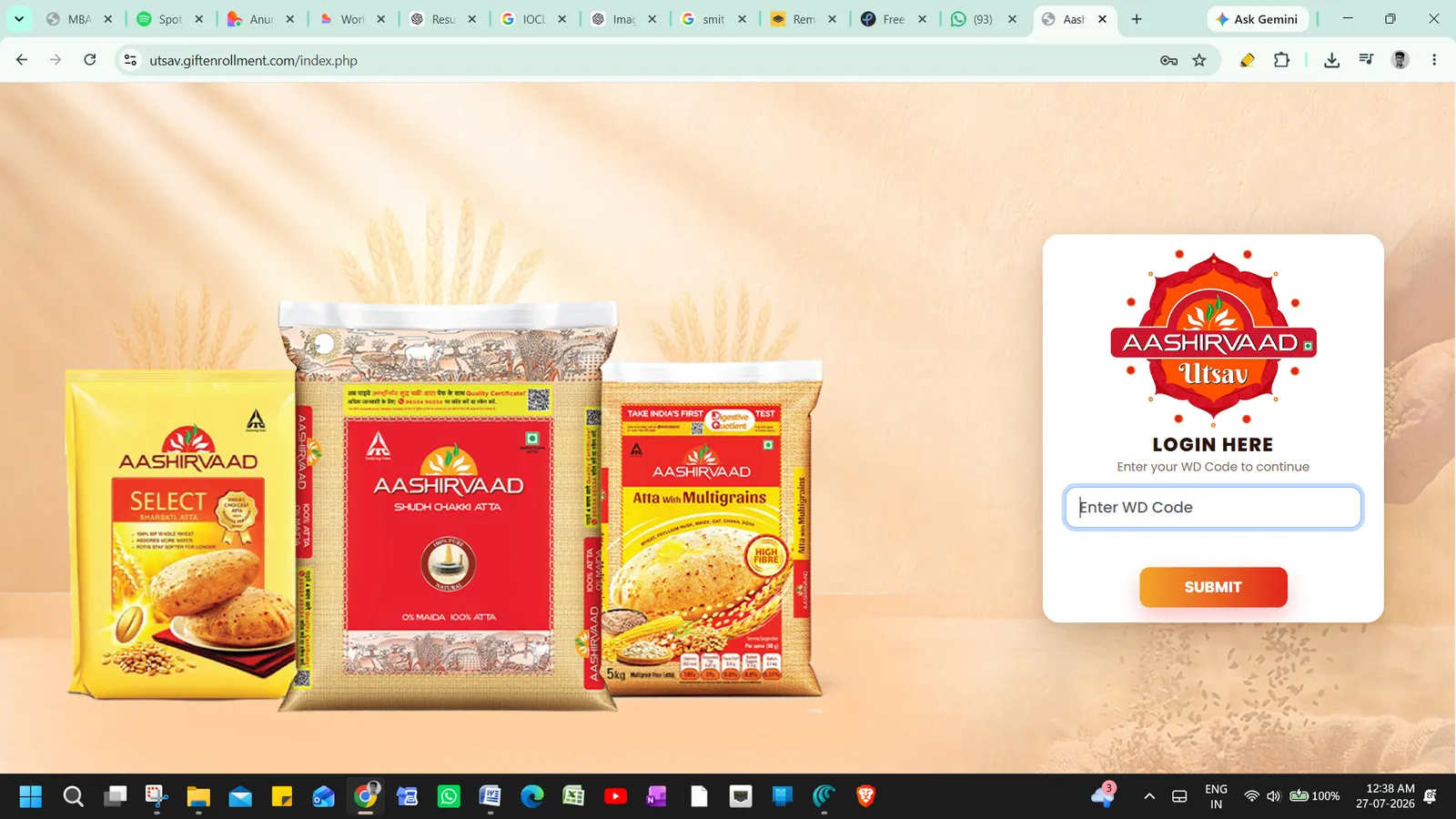
Trade Schemes That Build Demand Instead of Buying Volume
How to design, execute and evaluate FMCG trade schemes — enrollment mechanics, retailer economics and the metrics that separate real demand from forward buying.
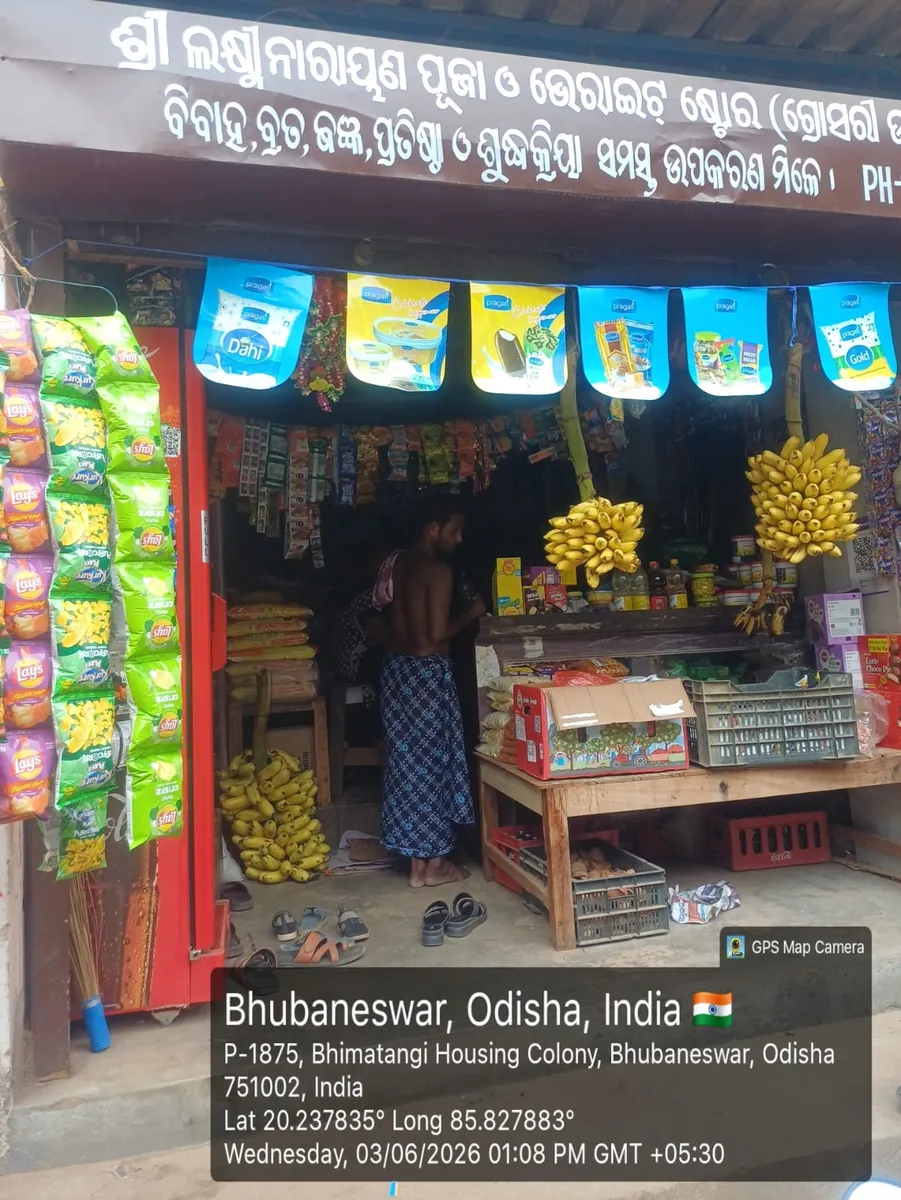
Internship Diary: What 400+ Retail Outlets Taught Me at ITC Limited
A field diary from an FMCG internship at ITC Limited — 37 market beats, 400+ outlets and the lessons an MBA classroom cannot teach.
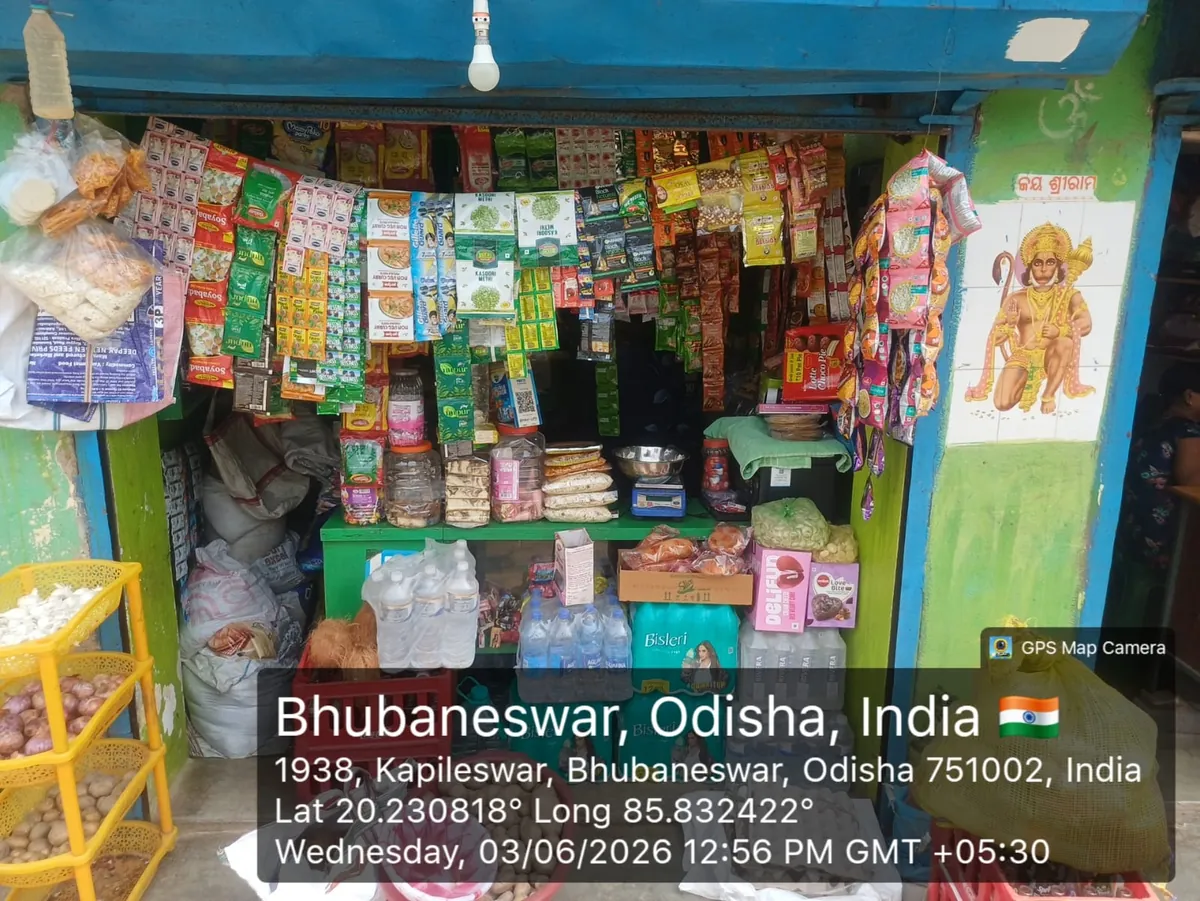
Consumer Insights From the Field: Turning 400 Conversations Into Decisions
A consumer insights guide: interview design, separating facts from insights, coding qualitative data and writing insights that lead to action.
Newsletter
New frameworks, field notes and case studies — occasionally, never noise.
Get new Knowledge Hub articles on marketing, business analytics and product management as they are published. Email me to be added to the list.
Subscribe by emailComments
Discussion is not open on this site yet. Thoughts, disagreements or corrections are genuinely welcome — send them directly.