
Executive summary
Large organisations run on process, documentation and reporting cadence. This piece distils a graduate apprenticeship at Indian Oil Corporation Limited into transferable operating lessons: how to structure a 300+ case portfolio, how to build MIS leadership will actually read, and why process discipline is a commercial skill rather than an administrative one.
Key takeaways
- A tracker is only as good as its update ritual.
- MIS should answer the three questions leadership asks every month.
- Process discipline compounds; heroics do not scale.
- Cross-functional work is won through clarity, not authority.
Key highlights
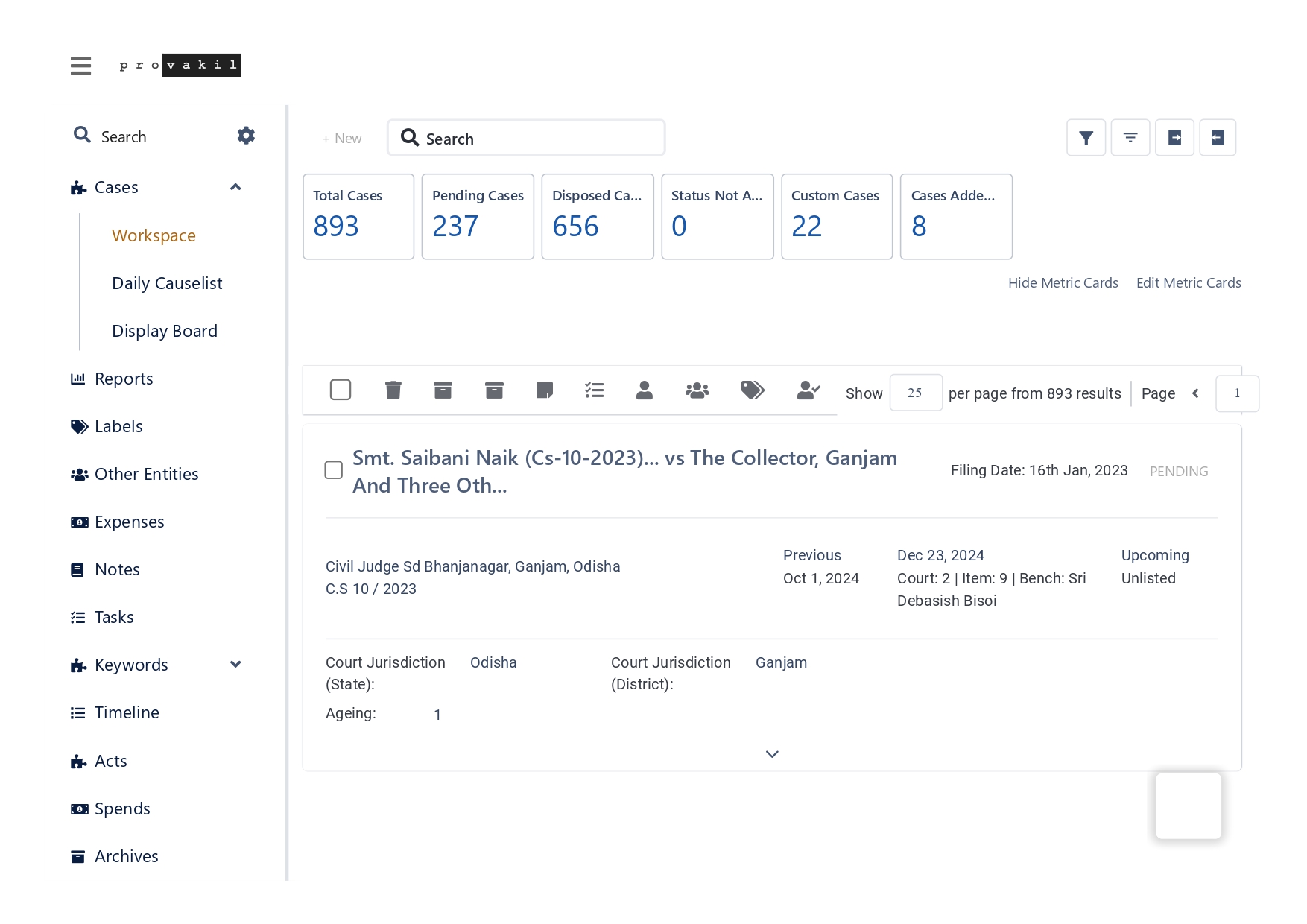
- — 300+ case enterprise litigation portfolio tracked
- — SAP invoice workflow coordination
- — Monthly leadership MIS packs
Structure the portfolio before optimising it
A 300+ case portfolio becomes manageable only once every record carries the same fields: stage, next date, owner, exposure and last action. Standardisation is unglamorous and it is the entire game.
The tracker is the ritual, not the file
Trackers decay without a fixed update cadence and a single owner. A weekly thirty-minute update slot maintained reliably outperforms a sophisticated system nobody refreshes.
Build MIS around the questions leadership repeats
Leadership asks three things: what changed, what is at risk, and what needs a decision. An MIS pack organised around those questions gets read; one organised around data availability gets skimmed.
- What changed since the last review.
- What is at risk and by when.
- What decision is required, from whom.
Getting things done across functions
As an apprentice you have no authority, which is a useful constraint. Progress comes from making the other person's next step obvious — a pre-filled form, a summarised history, a specific ask with a date.
Important definitions
- MIS
- Management information system: the recurring reporting pack that gives leadership a consistent view of operational status.
- Workflow
- A defined sequence of approvals and handoffs that a document or transaction must pass through.
My perspective
This role sharpened the part of commercial work that nobody advertises. Marketing recommendations live or die on whether the underlying operating detail holds up, and a year inside enterprise process made me far more careful about what I claim can be executed.
Conclusion
Enterprise operations teach a durable lesson: standardise the record, protect the cadence, report around decisions, and make it easy for others to act. Those habits transfer directly into brand, product and analytics work.
Key learnings
- Standardised fields turn volume into a manageable portfolio.
- Cadence beats sophistication in reporting systems.
- Clarity is the main currency of influence without authority.
Frequently asked questions
- What does a graduate apprentice at IOCL do?
- In this role: tracking a 300+ case litigation portfolio, coordinating with external counsel, processing SAP invoice workflows and preparing monthly MIS packs for leadership.
- How is enterprise operations experience relevant to marketing?
- It builds process discipline, comfort with large messy datasets and realism about execution — all of which make commercial recommendations more credible.
- What makes an MIS report effective?
- Organising it around what changed, what is at risk and what decision is needed, rather than around whatever data happens to be available.
Go deeper
Suggested reading

OJEE MBA Preparation Strategy: How I Secured All Odisha Rank 1
An OJEE MBA preparation strategy from the All Odisha Rank 1 holder of 2025 — syllabus mapping, sectional plans and a 16-week study schedule.
Product Management Metrics That Matter: From Roadmap to Realised Value
A product management guide to strategy, prioritisation and the metrics — activation, retention, value realisation — that predict product success.
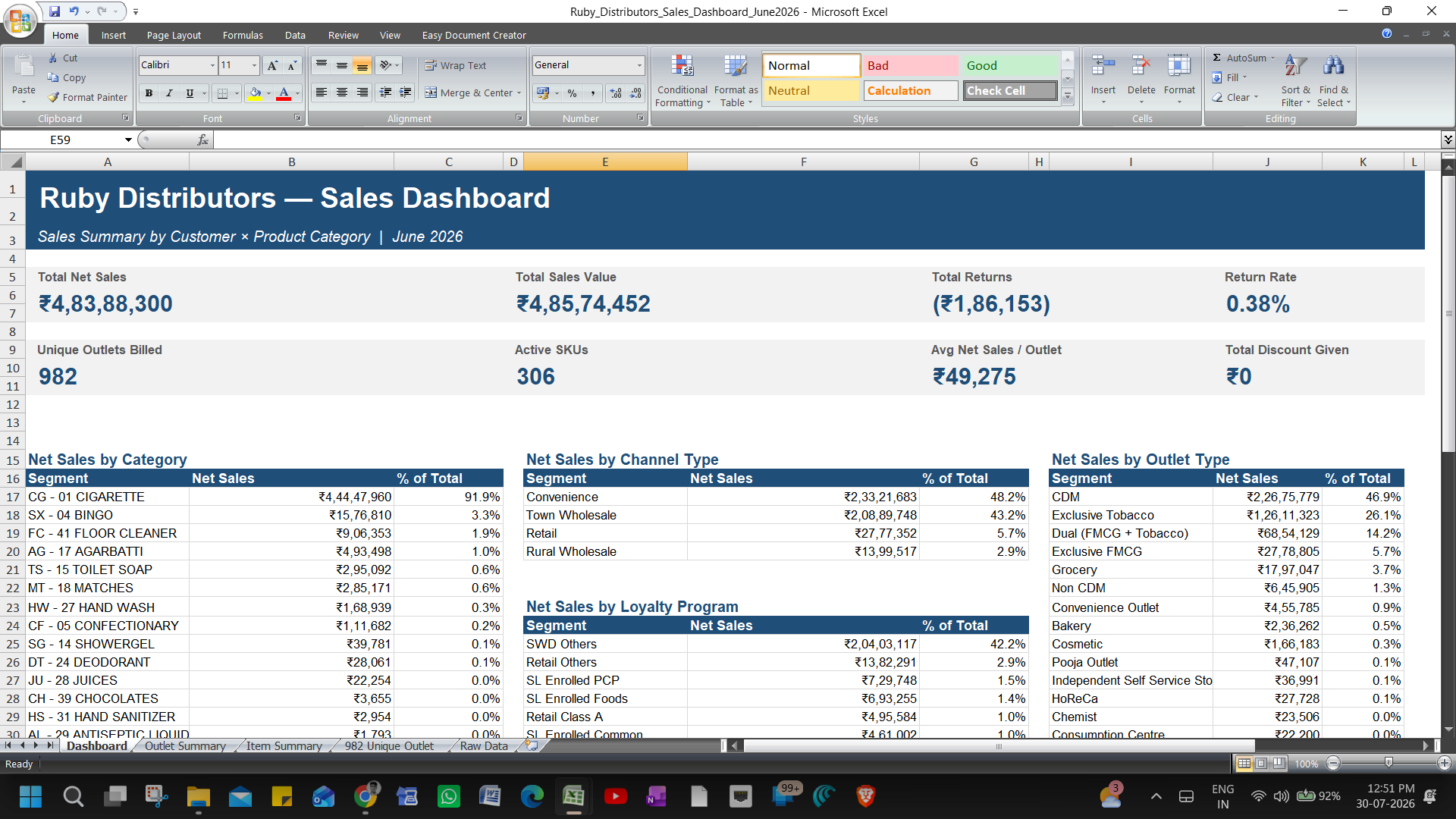
The Business Analytics Toolkit for Marketers: Excel and KPI Design
A business analytics guide for marketers: Excel modelling, AI-assisted analysis, data-cleaning discipline and KPI design that drives decisions.
Newsletter
New frameworks, field notes and case studies — occasionally, never noise.
Get new Knowledge Hub articles on marketing, business analytics and product management as they are published. Email me to be added to the list.
Subscribe by emailComments
Discussion is not open on this site yet. Thoughts, disagreements or corrections are genuinely welcome — send them directly.