

Executive summary
STP fails in most decks because segments are described rather than chosen, and positioning is written to please rather than to exclude. This guide runs the framework end to end: build segments on behaviour and economics, target using an explicit attractiveness-versus-right-to-win screen, and write a positioning statement tight enough to reject work.
Key takeaways
- Segment on behaviour and value, not on demographics you happen to have data for.
- A segment is only real if you can reach it differently and it responds differently.
- Target using two axes: segment attractiveness and your right to win.
- A positioning statement that cannot reject an idea is not doing any work.
- Positioning is validated in-store and in-conversation, not in the boardroom.
Key highlights
- — A four-question test for whether a segment is commercially real
- — A worked targeting screen with weighted criteria
- — A reusable positioning statement template with an FMCG example
Why STP fails in most presentations
The framework is not the problem. The failure mode is describing the market instead of choosing within it: five neatly named segments, all of them pursued, and a positioning line that any competitor could also sign.
Used properly, STP is a sequence of exclusions. Each step should reduce the number of things the business will do.
Segmentation: build on behaviour and economics
Demographics are convenient, not causal. In FMCG, the variables that actually predict behaviour are purchase occasion, basket role, price sensitivity, shopping frequency and channel preference.
In retailer-facing work, the equivalent variables are throughput, category commitment, credit dependence and service sensitivity — which is how the ITC field survey segmented 400+ outlets far more usefully than store size alone would have.
- Measurable — you can size it with data you can actually get.
- Differentiable — it responds differently to the same offer.
- Accessible — you can reach it through a distinct channel or message.
- Substantial — it is worth the cost of serving separately.
Targeting: attractiveness versus right to win
Score each segment on attractiveness (size, growth, margin structure, competitive intensity) and on right to win (distribution reach, brand permission, cost position, capability).
The interesting decisions sit in the off-diagonal cells: attractive segments where you have no right to win yet — which is a capability roadmap, not a launch plan.
Positioning: write it so it can reject work
Use the standard four-part construction: for [target], [brand] is the [frame of reference] that [primary benefit], because [reason to believe].
Test it by holding three real proposals against it. If none of them fails the statement, the statement is too loose and needs a sharper frame or a narrower target.
- Target: who specifically, defined behaviourally.
- Frame of reference: what they compare you against.
- Benefit: the single most motivating outcome.
- Reason to believe: the proof that makes the benefit credible.
Validating positioning in the market
Positioning is validated where the purchase happens. Ask retailers who buys the brand and why, ask shoppers what they considered before choosing, and observe which adjacency the product is stocked in — shelf placement reveals the frame of reference the market has assigned you, which is frequently not the one written in the deck.
Important definitions
- Segmentation
- Dividing a market into groups that differ in needs, behaviour or value so they can be served differently.
- Targeting
- Choosing which segments to serve based on their attractiveness and your ability to win in them.
- Positioning
- The place a brand deliberately occupies in the buyer's mind relative to alternatives.
- Frame of reference
- The competitive set the buyer mentally compares you against when choosing.
My perspective
Field work changed how I use STP. Sitting in front of a kirana owner, the segment that matters is defined by how he manages cash, shelf space and risk — not by a demographic label. I now write segments as behavioural sentences a salesperson could recognise on a beat, and I treat any segment they cannot recognise as an analytical artefact.
Conclusion
STP earns its place when each step removes options. Segment on behaviour, target with an explicit right-to-win screen, and write a positioning statement sharp enough to kill work. Everything downstream — pricing, packaging, promotion, channel — becomes a consequence rather than a debate.
Key learnings
- Choice, not description, is the output of STP.
- Behavioural segments travel better into execution than demographic ones.
- Right to win deserves equal weight with segment attractiveness.
- Shelf adjacency is free evidence of your real frame of reference.
Frequently asked questions
- What is the STP framework?
- STP stands for segmentation, targeting and positioning — the sequence of dividing a market into meaningful groups, choosing which to serve, and defining the distinct place the brand will occupy for them.
- What makes a good market segment?
- It must be measurable, differentiable in how it responds, accessible through a distinct channel or message, and substantial enough to justify serving separately.
- How do you write a positioning statement?
- Use: for [target], [brand] is the [frame of reference] that [primary benefit], because [reason to believe] — then test it by checking that it rejects at least some real proposals.
- Is STP still relevant in digital marketing?
- Yes. Targeting technology has made reach cheaper, which raises rather than lowers the value of knowing which segment you are trying to reach and what you want to mean to them.
Go deeper
Suggested reading
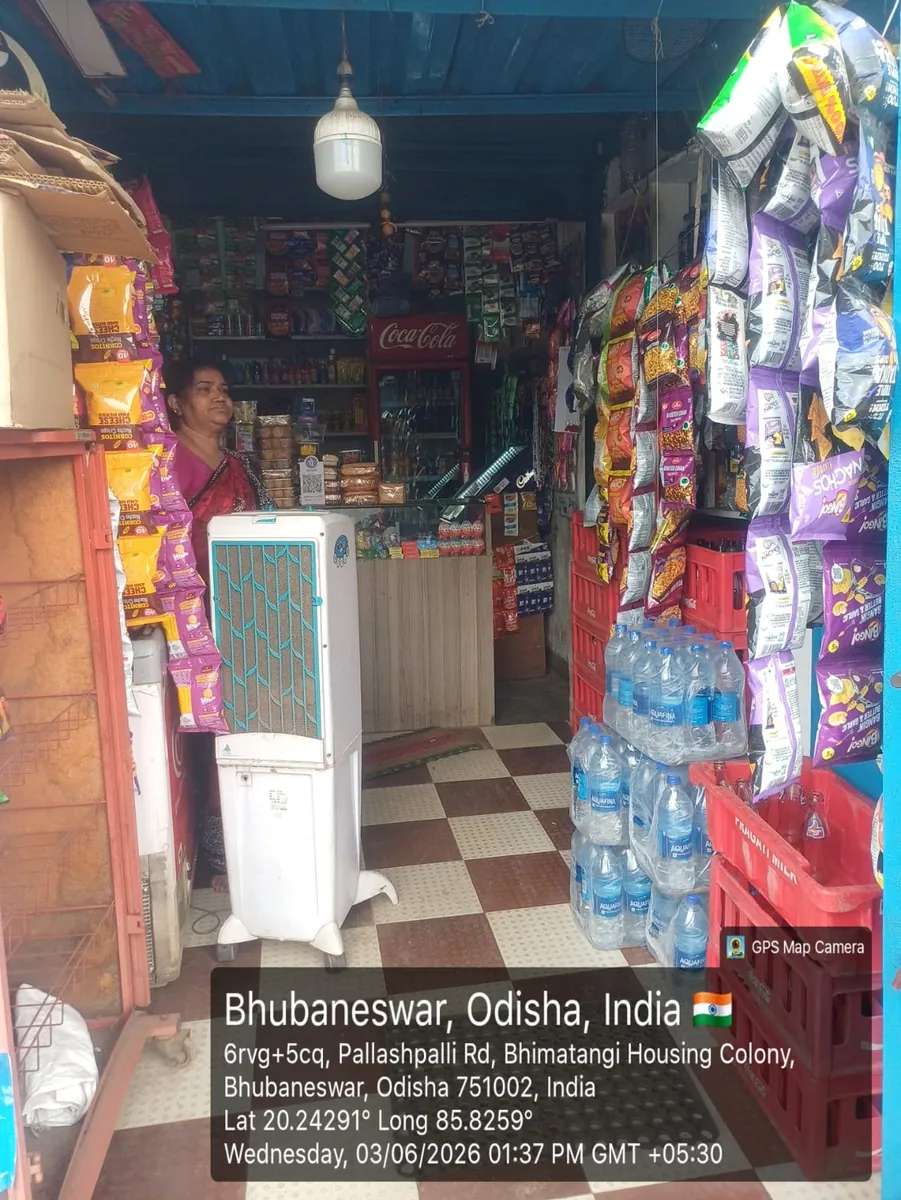
Brand Positioning That Holds on the Shelf
A practical guide to brand positioning, distinctive assets and architecture — and how to tell whether positioning works at the point of purchase.

Consumer Insights From the Field: Turning 400 Conversations Into Decisions
A consumer insights guide: interview design, separating facts from insights, coding qualitative data and writing insights that lead to action.
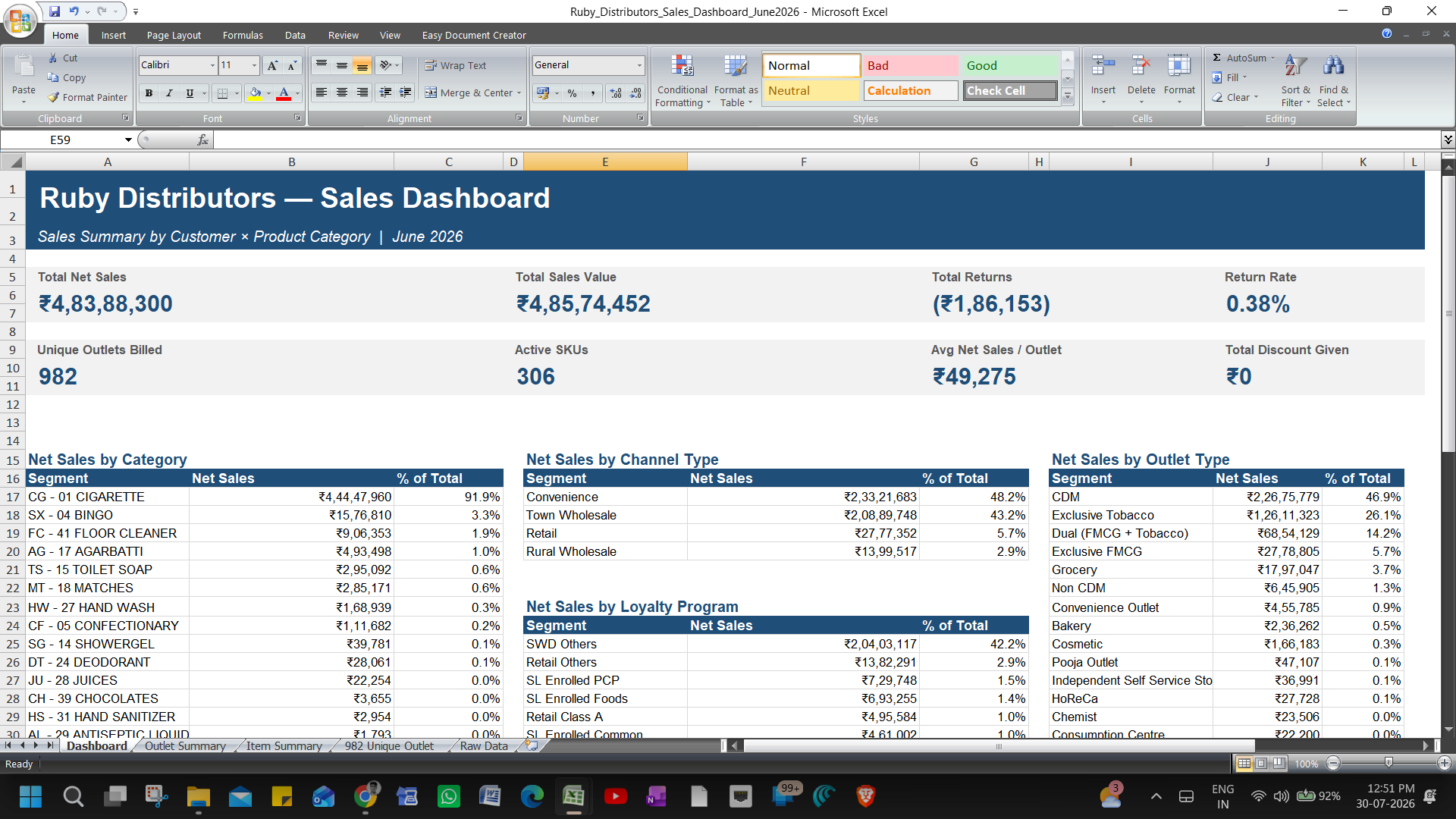
The Business Analytics Toolkit for Marketers: Excel and KPI Design
A business analytics guide for marketers: Excel modelling, AI-assisted analysis, data-cleaning discipline and KPI design that drives decisions.
Newsletter
New frameworks, field notes and case studies — occasionally, never noise.
Get new Knowledge Hub articles on marketing, business analytics and product management as they are published. Email me to be added to the list.
Subscribe by emailComments
Discussion is not open on this site yet. Thoughts, disagreements or corrections are genuinely welcome — send them directly.