
Executive summary
This is a working account of an FMCG summer internship at ITC Limited: how the survey was designed, what retailers actually said, which objections repeated, and how the experience reframed distribution from a logistics topic into a strategy topic. It is written for MBA students preparing for field internships.
Key takeaways
- The first 50 conversations teach the questionnaire; redesign it after them.
- Retailer objections cluster into four repeatable categories.
- Credibility in the field comes from returning, not from presenting.
- Documenting daily beats a polished report written from memory.
Key highlights
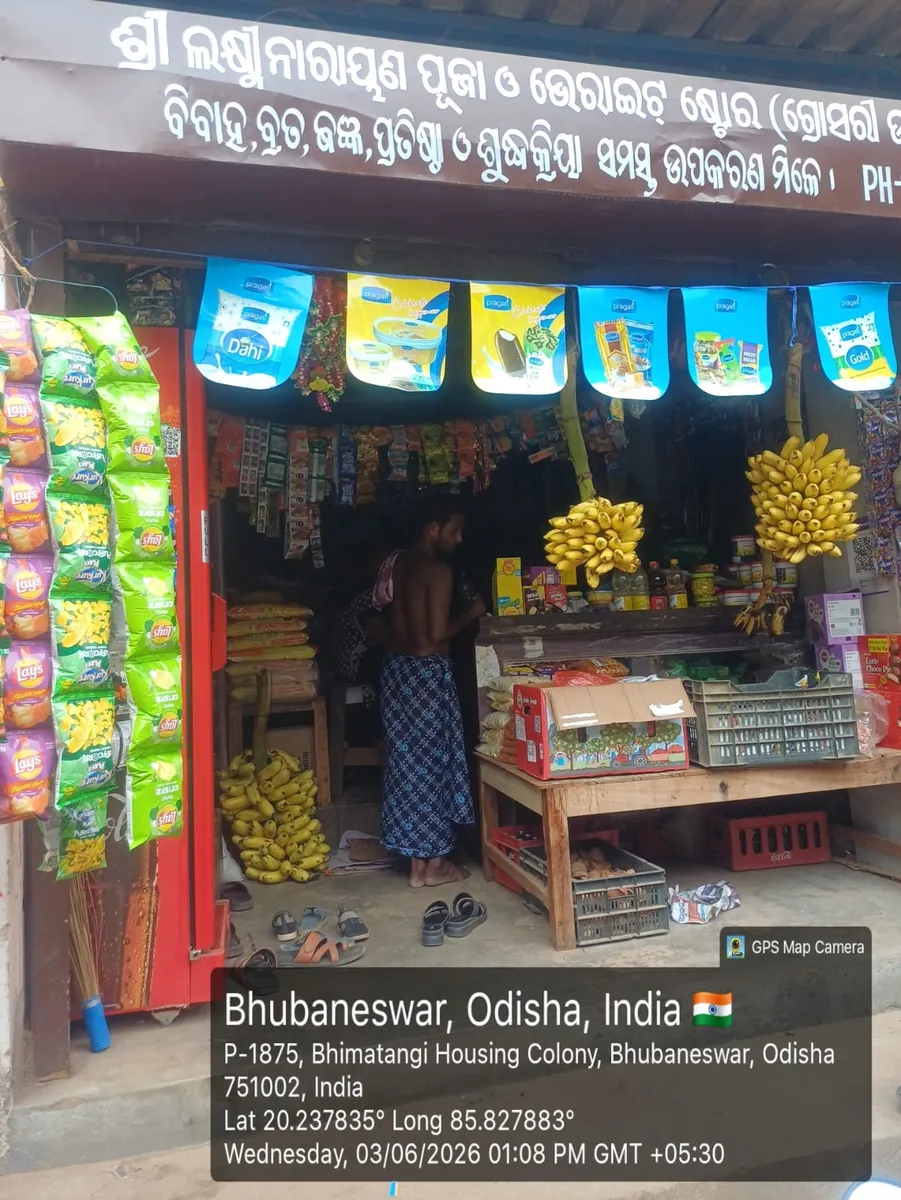
- — 37 market beats across Bhubaneswar
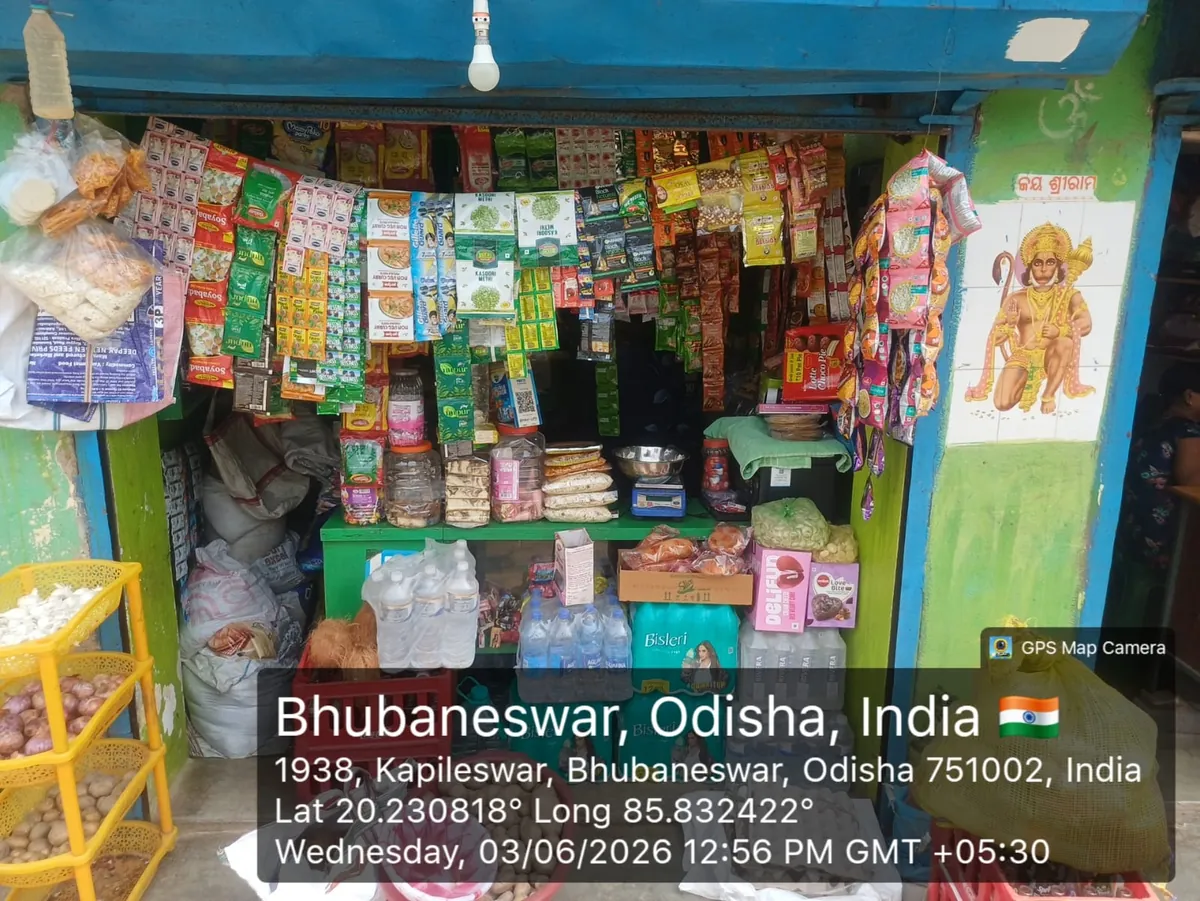
- — 400+ retail outlets surveyed and profiled
- — 120+ unserved outlets identified for expansion
Week one: the questionnaire meets the market
The instrument designed on paper survived about forty conversations. Questions retailers could not answer quickly were replaced with observable proxies, and open questions were moved to the end where the shop owner had relaxed.
Redesigning the questionnaire early cost two days and saved several weeks of unusable data.
Four objections that repeat everywhere
Across 400+ conversations, refusals clustered tightly: margin versus rotation, credit terms, uncertainty about service consistency, and simple unawareness that direct billing was available at all.
Each cluster implies a different fix, which is why recording the reason matters more than recording the refusal.
- Margin and rotation economics.
- Credit dependence on the current wholesaler.
- Doubt about servicing reliability.
- No awareness of direct distributor coverage.
Credibility is built by returning
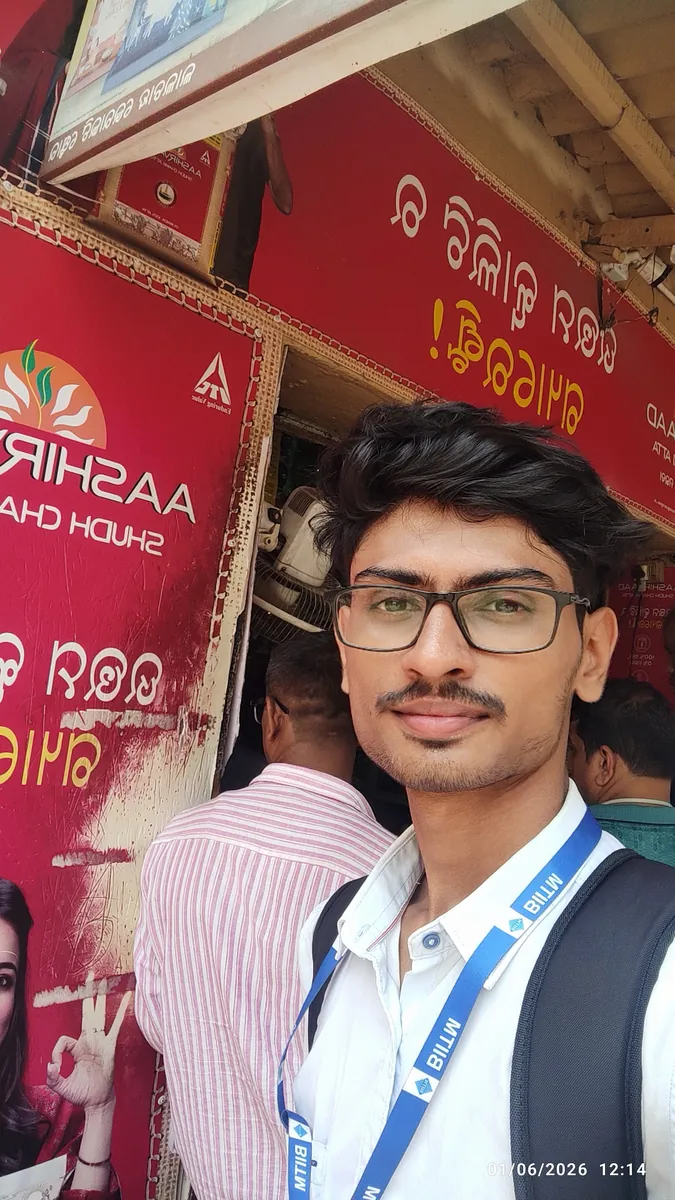
Retailers open up on the second visit. The first is a transaction; the second signals that you are part of the market rather than a visitor with a form. Any student planning a field project should build repeat visits into the schedule deliberately.
What the classroom under-teaches
Coursework treats distribution as a logistics function and brand as the interesting part. The market inverts that. Availability, service reliability and channel economics decided most outcomes I observed; brand preference was necessary but rarely the binding constraint.
Important definitions
- Market beat
- A defined cluster of retail outlets covered on a fixed day.
- Unserved outlet
- A retail outlet within the territory that has never been formally billed by the distributor.
My perspective
The internship converted abstractions into people. When I now read a distribution slide, I picture a specific shop on Lingaraj Temple Road and ask whether the recommendation would survive a conversation with its owner. That test has improved my work more than any framework.
Conclusion
Field internships are worth far more than the report they produce, provided the work is documented daily and the questionnaire is allowed to change. Go with a method, expect the market to edit it, and write everything down the same evening.
Key learnings
- Redesign the instrument after the first fifty conversations.
- Record reasons, not just outcomes.
- Return visits buy honesty.
- Distribution is strategy, not logistics.
Frequently asked questions
- What does an FMCG sales internship involve?
- Typically field market research, beat accompaniment, retailer interviews, competitor and visibility audits, and execution support on live trade schemes.
- How do you prepare for an FMCG field internship?
- Learn the channel vocabulary, prepare a short structured questionnaire, plan repeat visits, and commit to writing observations the same day.
- What did the ITC internship achieve?
- It mapped 37 market beats and 400+ outlets, identified 120+ unserved outlets and produced a categorised view of why retailers were not participating in the distribution network.
Go deeper
Suggested reading
FMCG Beat Planning & Route-to-Market Strategy — A Field Guide
A practical guide to FMCG beat planning and route-to-market strategy, built from covering 37 market beats and 400+ retail outlets at ITC Limited.
Enterprise Operations Lessons From Indian Oil: Process, MIS and Leadership Reporting
Lessons from a graduate apprenticeship at Indian Oil — a 300+ case litigation portfolio, SAP invoice workflows, MIS reporting and stakeholder discipline.
Consumer Insights From the Field: Turning 400 Conversations Into Decisions
A consumer insights guide: interview design, separating facts from insights, coding qualitative data and writing insights that lead to action.
Newsletter
New frameworks, field notes and case studies — occasionally, never noise.
Get new Knowledge Hub articles on marketing, business analytics and product management as they are published. Email me to be added to the list.
Subscribe by emailComments
Discussion is not open on this site yet. Thoughts, disagreements or corrections are genuinely welcome — send them directly.