

Executive summary
Insight work fails when findings are reported instead of interpreted. This guide covers interview design, an honest sampling approach for field surveys, a lightweight coding method for qualitative data, and an insight-writing format that forces every finding to imply an action.
Key takeaways
- A fact describes behaviour; an insight explains it and implies an action.
- Ask about the last occasion, not about intentions.
- Code qualitative data the same week it is collected.
- Report limitations — credibility depends on it.
Key highlights
- — 400+ structured retailer conversations as the evidence base
- — A three-part insight statement format
- — A same-week qualitative coding routine
Design interviews for recall, not speculation
People predict badly and remember reasonably. Anchor every question to a specific past occasion — the last order placed, the last time stock ran out, the last scheme joined — and the answers stop being aspirational.
Sampling honestly in messy field conditions
Perfect randomisation rarely survives a real market. What can be maintained is a documented rule — every third outlet on the beat, refusals logged, quotas by channel type — and a clear statement of the resulting bias in the report.
Code the data the same week
Assign each response a short reason code while the conversation is still fresh, then group codes into themes. Deferred coding turns rich answers into vague memories and quietly flattens the most valuable material.
Write insights in three parts
Observation, explanation, implication. 'One in five outlets has never been billed' is an observation. 'Because they assume direct supply requires a minimum order they cannot afford' is the explanation. 'So a starter slab with lower entry quantity should be tested in two beats' is the implication.
- Observation: what the data shows.
- Explanation: why the behaviour occurs.
- Implication: the action it makes possible.
Important definitions
- Insight
- An explanation of behaviour that opens a commercial action, as distinct from a restated observation.
- Saturation
- The point in qualitative research at which additional interviews stop producing new explanations.
- Response bias
- Systematic distortion caused by how questions are asked or who chooses to answer.
My perspective
The habit that improved my research most was writing the implication before showing the finding to anyone. If I could not name a decision that would change, the finding usually turned out to be a fact dressed as an insight.
Conclusion
Insight work is a discipline of interpretation. Anchor questions in recall, document the sampling honestly, code while it is fresh, and refuse to publish a finding that does not imply an action.
Key learnings
- Recall-based questions produce far more reliable answers.
- Documented bias is more credible than claimed rigour.
- No implication, no insight.
Frequently asked questions
- What is the difference between a fact and an insight?
- A fact restates observed behaviour; an insight explains why the behaviour occurs and therefore points to a specific commercial action.
- How many interviews are needed for qualitative research?
- Usually 20–40 well-structured conversations per segment, or until new interviews stop producing new explanations.
- How do you reduce bias in field surveys?
- Use a documented selection rule, log refusals, anchor questions in past behaviour, avoid leading phrasing, and report the residual bias openly.
Go deeper
Suggested reading
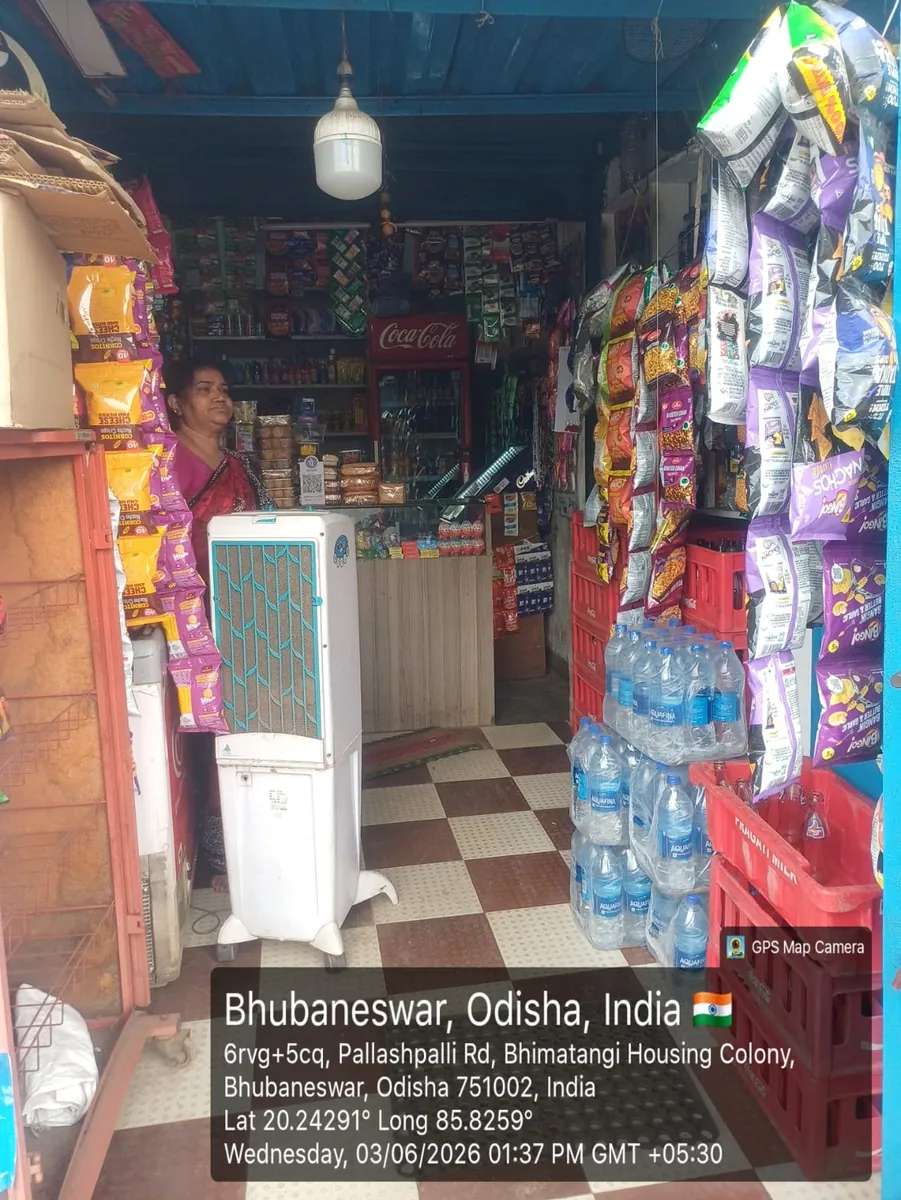
Brand Positioning That Holds on the Shelf
A practical guide to brand positioning, distinctive assets and architecture — and how to tell whether positioning works at the point of purchase.
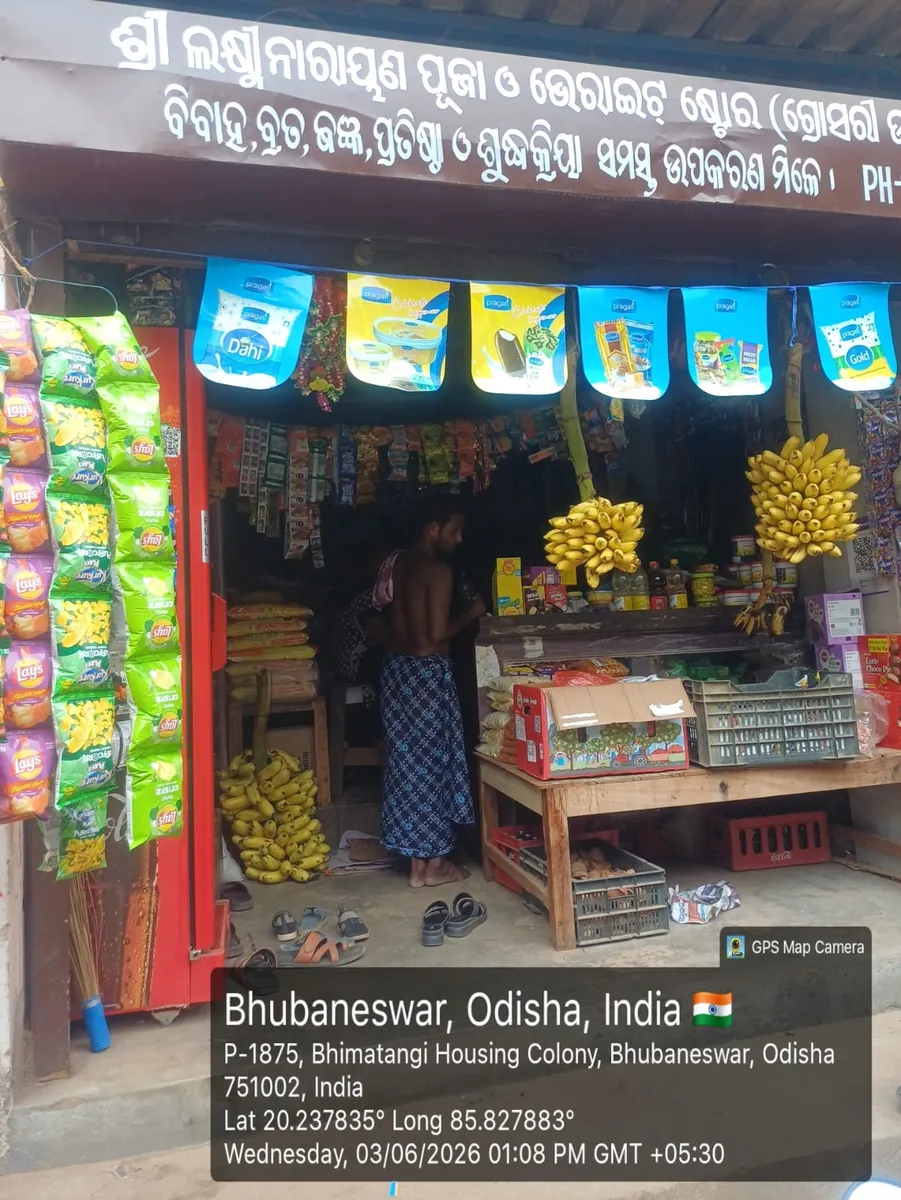
Internship Diary: What 400+ Retail Outlets Taught Me at ITC Limited
A field diary from an FMCG internship at ITC Limited — 37 market beats, 400+ outlets and the lessons an MBA classroom cannot teach.
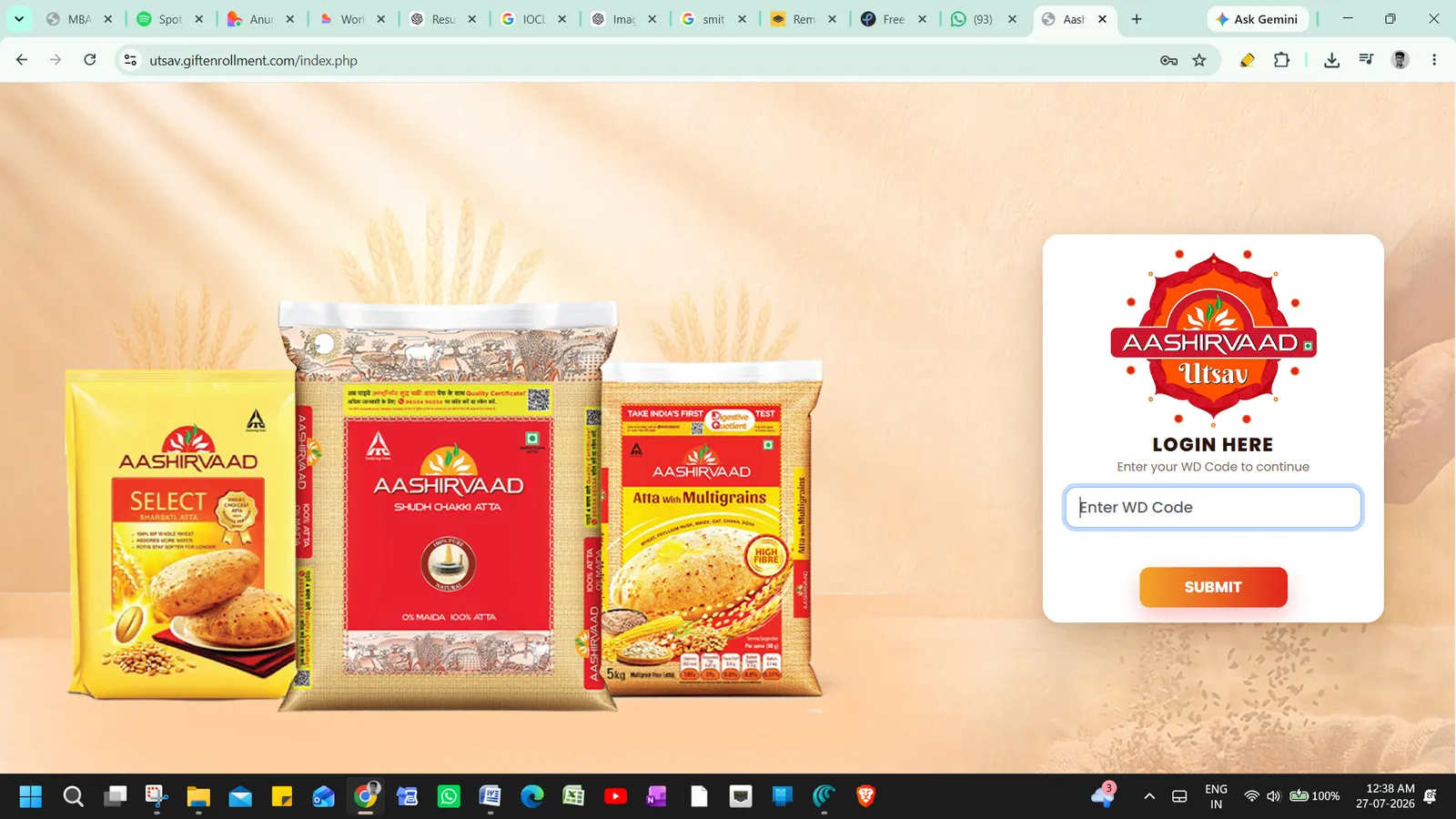
Trade Schemes That Build Demand Instead of Buying Volume
How to design, execute and evaluate FMCG trade schemes — enrollment mechanics, retailer economics and the metrics that separate real demand from forward buying.
Newsletter
New frameworks, field notes and case studies — occasionally, never noise.
Get new Knowledge Hub articles on marketing, business analytics and product management as they are published. Email me to be added to the list.
Subscribe by emailComments
Discussion is not open on this site yet. Thoughts, disagreements or corrections are genuinely welcome — send them directly.