
Executive summary
Brand positioning is often treated as a communication exercise; in fast-moving categories it is a distribution and memory exercise. This guide covers category entry points, distinctive assets, brand architecture choices and the shelf-level evidence that shows whether positioning is actually converting into preference.
Key takeaways
- Mental availability without physical availability produces demand you cannot serve.
- Distinctive assets are built by repetition, not by novelty.
- Brand architecture decisions should follow buying behaviour, not org charts.
- Price premium sustained over time is the cleanest read on brand equity.
Key highlights
- — Category entry points as the practical unit of positioning
- — A four-signal equity dashboard usable without expensive tracking
- — House-of-brands versus branded-house decision criteria
Start from category entry points, not brand attributes
Buyers do not enter the category thinking about your attributes; they enter with a situation — unexpected guests, a monthly stock-up, a child's tiffin. Positioning works when the brand is attached to those situations in memory.
Listing entry points is more actionable than listing adjectives, because each one implies a pack size, a price point, a channel and a message.
Build distinctive assets through disciplined repetition
Assets become distinctive only when they are used consistently for long enough to be recognised without the name attached. The temptation to refresh design every season destroys the very recognition that makes recall cheap.
Audit assets by showing the pack with the brand name masked; if identification collapses, the asset set is doing no work.
Choose brand architecture from buying behaviour
A branded house transfers trust efficiently but constrains stretch; a house of brands allows sharply targeted positioning at higher marketing cost. The decision should follow how buyers group needs, not how the business groups teams.
- Branded house: shared trust, efficient spend, limited stretch.
- House of brands: sharp positioning, higher cost, cleaner segmentation.
- Endorsed brands: a compromise that works when trust is the barrier.
Measuring equity without an expensive tracker
Four accessible signals substitute reasonably for formal tracking: prompted and spontaneous awareness in short field surveys, numeric distribution, sustained price premium versus the nearest competitor, and repeat purchase reported by retailers.
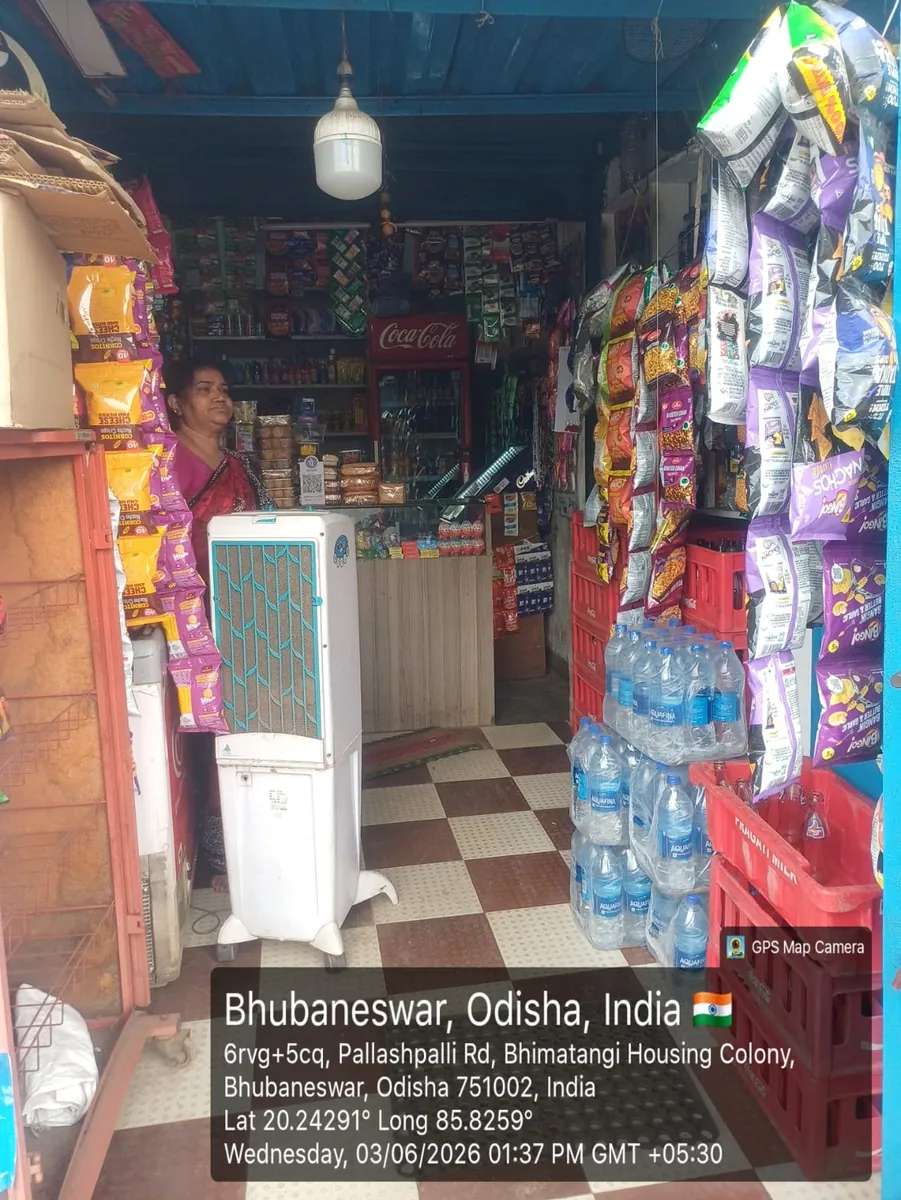
During store visits, retailer testimony is an underused equity instrument — they know which brand shoppers ask for by name and which they accept as a substitute.
Important definitions
- Category entry point
- The situation or need that triggers a shopper to consider the category, and therefore the moment a brand needs to be remembered.
- Distinctive asset
- A colour, shape, character or phrase that identifies the brand without needing the name.
- Brand architecture
- How brands, sub-brands and products are organised and related to each other in the buyer's mind.
My perspective
Working in general trade made me sceptical of positioning work that never leaves the deck. The brands winning shelf space were not the cleverest; they were the most consistently present, easiest to recognise and simplest for the retailer to sell. Positioning that cannot be executed in a two-second glance at a crowded shelf is not positioning.
Conclusion
Positioning holds when memory and availability reinforce each other. Attach the brand to real entry points, repeat the assets until they are recognised without the name, choose an architecture that matches buying behaviour, and read the shelf honestly.
Key learnings
- Situations beat adjectives as the unit of positioning.
- Consistency is the cheapest form of brand investment.
- Retailers are a fast, low-cost equity panel.
Frequently asked questions
- What is brand positioning?
- Brand positioning is the deliberate place a brand occupies in the buyer's mind relative to alternatives, defined by target, frame of reference, benefit and reason to believe.
- How is brand equity measured practically?
- Through awareness, numeric distribution, sustained price premium versus the nearest competitor, and repeat purchase — a workable dashboard even without a formal tracker.
- Should a company use a branded house or a house of brands?
- Branded house when trust transfers across needs and efficiency matters; house of brands when segments need sharply different meanings and the budget can support them.
Go deeper
Suggested reading

Consumer Insights From the Field: Turning 400 Conversations Into Decisions
A consumer insights guide: interview design, separating facts from insights, coding qualitative data and writing insights that lead to action.

The STP Framework in Practice: Segmentation, Targeting and Positioning That Survive the Market
How to apply segmentation, targeting and positioning to real FMCG markets, with worked examples from Indian general trade and a positioning template.

FMCG Beat Planning & Route-to-Market Strategy — A Field Guide
A practical guide to FMCG beat planning and route-to-market strategy, built from covering 37 market beats and 400+ retail outlets at ITC Limited.
Newsletter
New frameworks, field notes and case studies — occasionally, never noise.
Get new Knowledge Hub articles on marketing, business analytics and product management as they are published. Email me to be added to the list.
Subscribe by emailComments
Discussion is not open on this site yet. Thoughts, disagreements or corrections are genuinely welcome — send them directly.