

Executive summary
Product teams drown in metrics and starve for signal. This guide connects product strategy to a small metric set: activation, retention, engagement depth and realised value, plus a prioritisation method that resists stakeholder volume and a lifecycle lens for deciding when to invest, optimise or retire.
Key takeaways
- Product strategy is a written set of bets, each with a falsifiable assumption.
- Retention is the only metric that cannot be bought.
- Prioritise on value, confidence and effort — and publish the reasoning.
- Lifecycle stage should determine which metric leads the review.
Key highlights
- — A four-metric product scorecard
- — A prioritisation scoring model that survives stakeholder pressure
- — Lifecycle-appropriate metric selection
Write product strategy as bets, not aspirations
A usable product strategy names the customer, the problem, the wedge and the assumption that must hold for the bet to pay. Written that way, the roadmap becomes a sequence of experiments rather than a delivery calendar.
User research: ask about the last time, not the next time
Predicted behaviour is unreliable; recalled behaviour is much less so. Ask what the person did the last time the problem occurred, what it cost them, and what they tried instead. The same discipline that makes retailer interviews useful makes user interviews useful.
Prioritisation that survives stakeholder pressure
Score each candidate on customer value, business impact, confidence and effort, then publish the scores. Transparency is what protects sequencing when a senior stakeholder arrives with a preference and no evidence.
- Customer value: how much pain removed, for how many.
- Business impact: revenue, retention or cost effect.
- Confidence: strength of evidence behind the estimate.
- Effort: realistic delivery cost including support burden.
The four-metric scorecard
Activation shows whether the product explains itself. Retention shows whether the value is real. Engagement depth shows whether the value is habitual. A realised-value metric — the customer outcome the product exists to deliver — anchors the other three to a business reason.
Let lifecycle stage choose the leading metric
In introduction, lead with activation and qualitative signal. In growth, lead with retention and acquisition efficiency. In maturity, lead with margin and engagement depth. In decline, lead with cost to serve and a migration plan.
Important definitions
- Activation
- The point at which a new user first experiences the product's core value.
- Retention
- The proportion of users who return and continue to derive value over a defined period.
- Product lifecycle
- The stages a product passes through — introduction, growth, maturity, decline — each requiring different investment logic.
My perspective
My route into product thinking came through a business ideation project — an AI-assisted career recommendation and placement concept that placed runner-up at Udyami Chintana. Building it forced the same question a product manager faces daily: what is the smallest thing we can build that would prove someone actually wants this?
Conclusion
Good product management is disciplined subtraction: fewer bets, written assumptions, a small metric set, and a prioritisation process transparent enough to defend. The roadmap then becomes a record of learning rather than a promise nobody can keep.
Key learnings
- Assumptions written down can be tested; assumptions implied cannot.
- Recalled behaviour beats predicted behaviour in research.
- Published prioritisation scores neutralise seniority bias.
Frequently asked questions
- What are the most important product management metrics?
- Activation, retention, engagement depth and a realised-value metric tied to the customer outcome the product exists to deliver.
- How do you prioritise a product roadmap?
- Score candidates on customer value, business impact, confidence and effort, publish the scores, and defend sequencing against a written product strategy.
- How do product management and marketing overlap?
- Both start from customer problems and positioning; product decides what gets built to solve them, marketing decides how the solution is understood and chosen.
Go deeper
Suggested reading
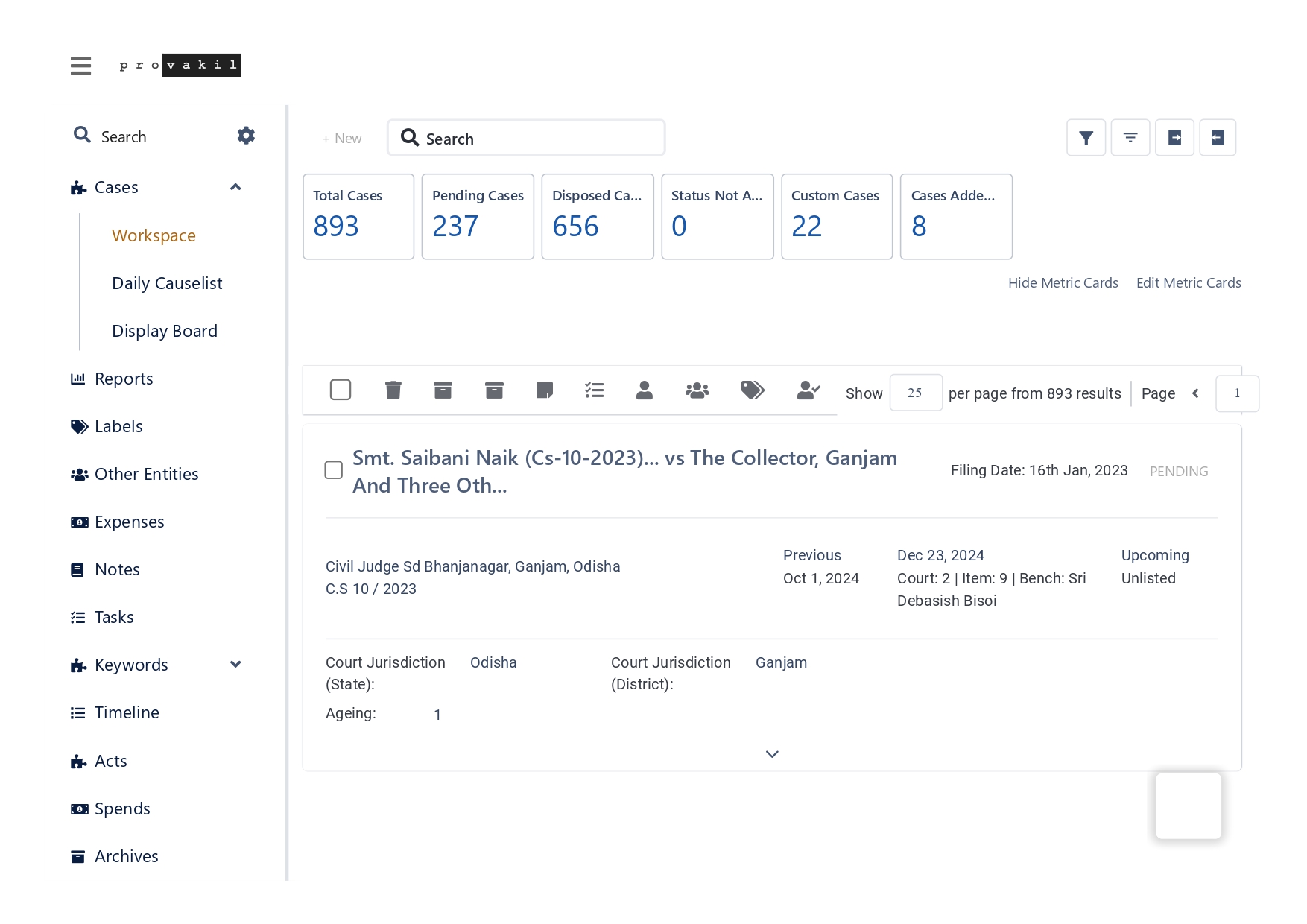
Enterprise Operations Lessons From Indian Oil: Process, MIS and Leadership Reporting
Lessons from a graduate apprenticeship at Indian Oil — a 300+ case litigation portfolio, SAP invoice workflows, MIS reporting and stakeholder discipline.
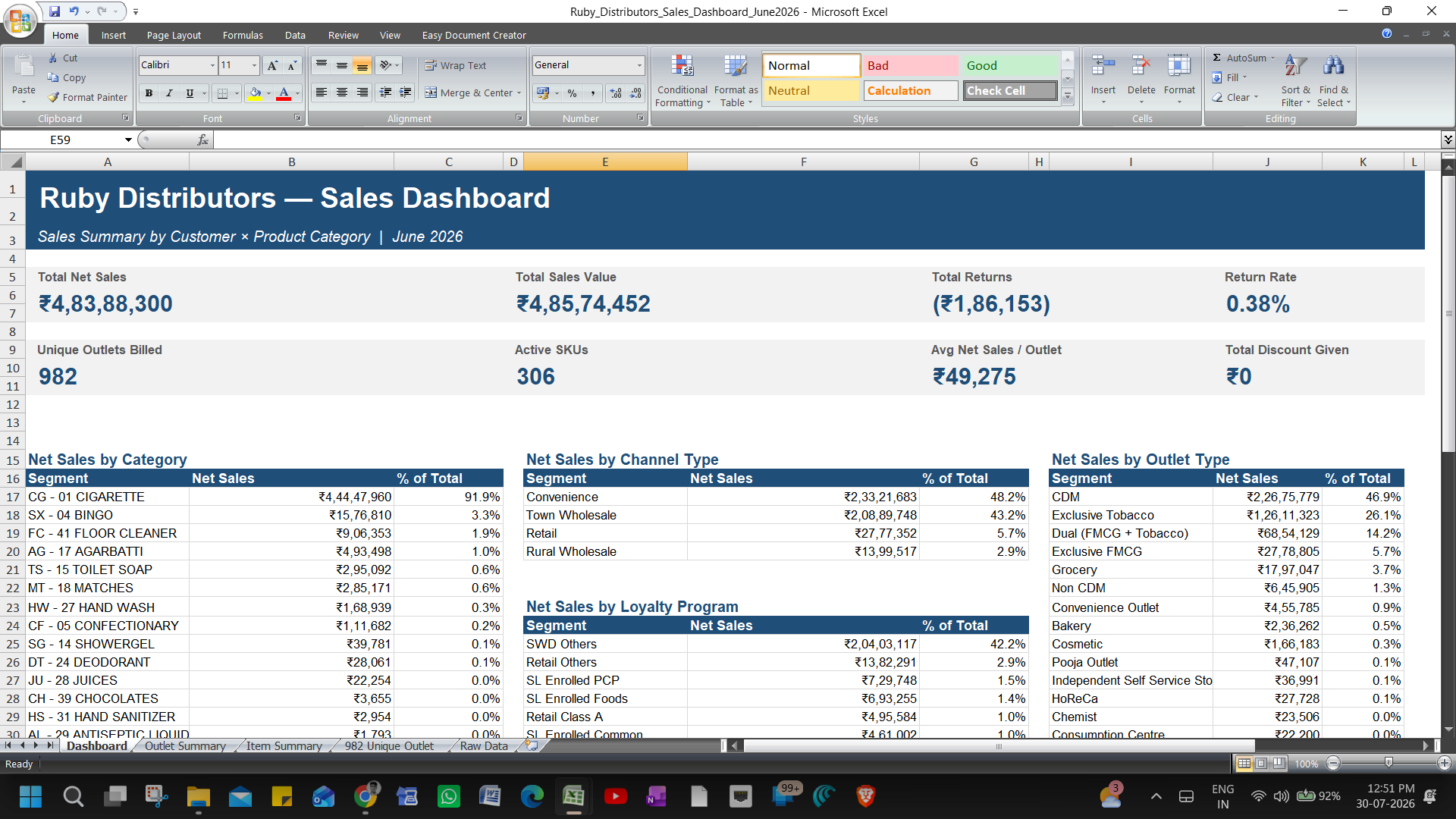
The Business Analytics Toolkit for Marketers: Excel and KPI Design
A business analytics guide for marketers: Excel modelling, AI-assisted analysis, data-cleaning discipline and KPI design that drives decisions.

Internship Diary: What 400+ Retail Outlets Taught Me at ITC Limited
A field diary from an FMCG internship at ITC Limited — 37 market beats, 400+ outlets and the lessons an MBA classroom cannot teach.
Newsletter
New frameworks, field notes and case studies — occasionally, never noise.
Get new Knowledge Hub articles on marketing, business analytics and product management as they are published. Email me to be added to the list.
Subscribe by emailComments
Discussion is not open on this site yet. Thoughts, disagreements or corrections are genuinely welcome — send them directly.